
Key takeaways
- Anti-HBe positive usually means the virus has gone quiet and infectivity has dropped, but it is not the same as cured; your doctor reads it with HBeAg and HBV DNA.
- There is no special hepatitis diet. A balanced diet with enough protein, zero alcohol, and steady weight is the full guidance.
- Protein matters more than any superfood; keep dal, eggs, fish, curd or paneer in daily meals even when appetite is low.
- Ask your doctor before any vitamin, herbal product or liver tonic, and pause biotin-heavy multivitamins 12+ hours before an anti-HBe test.
- If fatigue lingers, checking vitamin D, B12 and iron is reasonable; most labs flag vitamin D below about 20 ng/mL as deficiency, though ranges vary.
- Monitoring is a panel, not one test: HBsAg, the HBeAg/anti-HBe pair, HBV DNA, ALT and albumin together tell the story.
- The test needs no fasting and takes two minutes; home collection is available across Malad, Kandivali, Borivali and Goregaon with reports in about 24 hours.
Book tests from this article
Sample collected at home - free
- Anti Hepatitis B Envelope Antibody (AHBe) - Total
₹1,099₹1,49927% off
- Hepatitis B Envelope Antigen (HBeAg)
₹999₹1,29923% off
- Albumin
₹199₹24920% off
Free collection 24 hr reports
Anti-HBe positive? The short answer
If your hepatitis B report says anti-HBe positive (sometimes written as AHBe total, reactive), here is what it usually means in plain words: your immune system has started winning. The virus has gone quiet, and you are far less infectious than before. That is genuinely good news.
It is not the same as cured, though. The hepatitis B surface antigen, HBsAg, may still be positive, which means you still carry the virus. Your doctor reads anti-HBe together with two other results: the HBeAg test, which shows whether the virus is actively copying itself, and your HBV DNA level, which measures how much virus is actually in your blood. Mayo Clinic Laboratories puts it this way: the absence of HBeAg with the appearance of anti-HBe is consistent with inactivity of the virus and loss of infectivity, although the carrier state may persist. In other words, the fire has died down, but the embers are still there, and only your doctor can say what that means for your treatment.
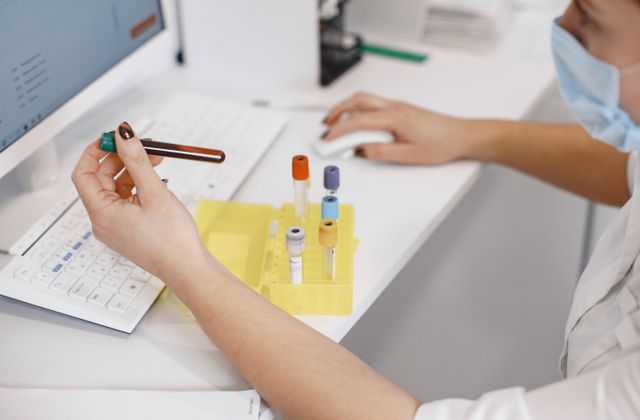
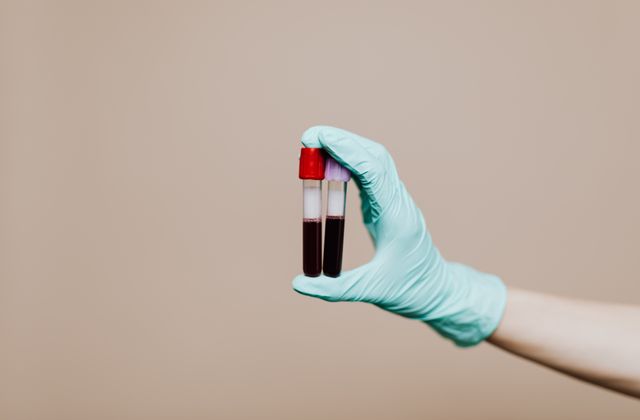
The anti-HBe antibody test itself is a simple blood test. A needle goes into a vein in your arm, the way it does for any blood test. There is a quick pinch, a cotton ball gets taped over the spot, and you are done in two minutes. No fasting is needed. The result comes back as positive or negative, not a number, because it is a qualitative test.
Now, why is a nutrition guide talking about an antibody test? Because the organ this virus attacks is the same organ that handles your nutrition. Your liver is not just a filter. It is your body's nutrition warehouse, and when hepatitis B settles in for the long term, how you eat starts to matter in ways most people never think about. This guide covers both sides: what the test means, and what your liver needs from your plate.

Your liver is a nutrition warehouse, not just a filter
Most people picture the liver as the body's detox plant. That is true, but it is maybe a fifth of the story. The liver is also where your body keeps its savings account of nutrients.
Here is what it stores. Vitamins A, D, E and K, the fat-soluble ones, sit in liver tissue waiting to be released. So does vitamin B12, in quantities that can last months. Iron is parked there as ferritin. Copper too. When your body needs any of these between meals, the liver hands them out.
Then there is what the liver makes. Albumin, the most abundant protein in your blood, is built in the liver. It keeps fluid inside your blood vessels instead of leaking into tissues, and it ferries hormones and vitamins around the body. Clotting factors, the proteins that stop a cut from bleeding forever, are made there too, with the help of vitamin K. Bile, the greenish fluid that breaks down the fat in your food so you can absorb it, is produced by liver cells and stored in the gallbladder. The liver also juggles amino acids, the building blocks of protein, keeping their levels in the blood steady.
At our lab in Malad, we see the nutrition side of liver reports every day. A low albumin number on a liver panel often sits next to a story the patient tells at the counter: months of poor appetite, skipped meals, weight quietly dropping. The liver and nutrition are one conversation, not two.
In a healthy liver, all of this runs in the background. You never notice your vitamin D being released or your albumin being manufactured. Chronic hepatitis B changes the operating conditions, which is the next thing to understand.
What chronic hepatitis B changes about eating
Chronic hepatitis B means the virus has stayed in the body for more than six months. The CDC uses that six-month line to separate a short infection the body clears on its own from a long one that needs monitoring. In the chronic phase, the immune system's relationship with the virus goes through stages. Early on there may be lots of virus and little inflammation. Later the immune system fights back, liver enzymes rise, and this is the phase when HBeAg often disappears and anti-HBe appears, the seroconversion we talked about. After that, many people enter a quiet phase with low virus levels and normal liver enzymes.
Here is what the US National Institute of Diabetes and Digestive and Kidney Diseases, the NIDDK, says about eating with chronic hepatitis B, and it is refreshingly undramatic: eat a healthy diet, avoid alcohol completely because it harms the liver, and talk with your doctor before taking vitamins and other supplements. There is no special hepatitis diet in their guidance. No banned food list. No magic liver-cleaning menu.
That surprises people. Patients often ask us at the counter for a printed diet chart for hepatitis B, the way you would get one for diabetes. And there are plenty of unofficial charts floating around the internet with long lists of foods to eat and avoid. The honest medical answer is simpler and less marketable: eat like a healthy person should eat, keep your weight steady, and give the liver no extra work.
A few things do change in practice. Appetite often dips, especially during flares when inflammation is active. Nausea, a heavy feeling in the upper abdomen, and tiredness can make full meals unappealing. Some people lose weight without trying, which sounds fine until you realize the weight being lost includes muscle. And there is a psychological trap: after a hepatitis diagnosis, many people start eating less out of fear, tiny portions of bland food, as if starving the body somehow rests the liver. A nutrition review of hepatitis management found exactly this pattern, that acutely ill patients often eat far less than before their illness because of the misconception that a low-calorie, low-protein, bland diet is necessary, and that this under-eating is linked to longer hospital stays. Resting the liver does not mean starving the person attached to it.
Protein first: the nutrient your liver is built from
If there is one nutrient to get right with chronic hepatitis B, it is protein. The liver is made of protein, repairs itself with protein, and manufactures blood proteins like albumin out of the amino acids you eat. When protein runs short, the liver's repair crew is working with half a toolkit.
The same nutrition review found something striking: patients with a protein deficiency developed more severe cases of hepatitis B. That does not mean protein cures hepatitis, nothing you eat does that, but it means the body's ability to hold its ground against the virus is tied to something as ordinary as dal and eggs. The review also noted that protein sources should be balanced between animal and plant sources, animal protein giving complete amino acids and plant protein adding its own strengths.
What does that look like on a Mumbai plate? It is not exotic. A bowl of dal with rice, two eggs, a piece of fish curry, curd, peanuts or chana, paneer, soy. Most Indian home cooking already does this well when portions are adequate. The problem is not the menu, it is the shrinking portion. If your appetite has dropped since the diagnosis, protein is the last thing to cut.
Albumin deserves a special mention because it is both made by the liver and a window into your nutrition. When we run an albumin test, we are measuring a protein the liver built from your dietary amino acids. Most labs quote a normal range around 3.5 to 5.5 g/dL, though ranges vary by laboratory, so always read the range printed on your own report. A low albumin can mean the liver is struggling to manufacture, or that protein intake has been low for a while, or both. Your doctor reads it in context, never alone.
The fat-soluble vitamins your liver stores for you
Remember the warehouse: vitamins A, D, E and K live in the liver. This creates a two-way relationship worth understanding. A healthy liver stores these vitamins efficiently. A liver dealing with chronic inflammation may not store or release them as smoothly. And because bile, which the liver makes, is what lets your gut absorb fat and fat-soluble vitamins from food, any disruption in bile flow can quietly reduce how much of these vitamins you actually get from meals.
Vitamin D deserves the spotlight because deficiency is genuinely common in Mumbai, hepatitis or no hepatitis. Office workers, covered commutes, sunscreen, monsoon months indoors, it adds up. When fatigue lingers in a hepatitis B patient, vitamin D is one of the things worth checking, and the vitamin D (25-OH) test measures exactly that.
Reading the result takes a little care because experts genuinely disagree on the cutoffs. Mayo Clinic Laboratories calls under 10 ng/mL severe deficiency, 10 to 19 mild to moderate deficiency, and 20 to 50 optimum, based on Institute of Medicine decision values. The NIH Office of Dietary Supplements draws the lines a bit differently: under 12 is deficiency, 12 to 20 is insufficiency, and 20 and above is adequate for most people. Both agree on the neighborhood: below about 20 ng/mL is the zone where deficiency starts. Ranges vary by laboratory, so use your own lab's printed range and your doctor's judgment, not a number you memorized from the internet.
Vitamin A, E and K rarely need separate testing in uncomplicated chronic hepatitis B, but the principle matters for eating: these vitamins come from fat-containing foods, vegetables, fruits and sunlight, and crash diets that eliminate all fat can reduce their absorption. Nobody with hepatitis B needs a zero-fat diet. The liver needs some dietary fat to do its bile-and-absorption work properly.
B12, iron and the blood your liver helps build
Two more warehouse residents matter here: vitamin B12 and iron.
The liver stores B12 in amounts that can cover the body's needs for months, which is why B12 deficiency usually creeps up slowly. But chronic illness, poor appetite and long stretches of under-eating can drain the stores. B12 deficiency shows up as fatigue, tingling in the hands and feet, and a type of anemia, symptoms that are easy to blame on the hepatitis itself. That is why a B12 check is reasonable when tiredness outlasts everything else. Vegetarians should pay particular attention, since B12 comes almost entirely from animal foods, milk, eggs, fish and meat.
Iron is stored as ferritin in the liver, and the liver also makes transferrin, the protein that carries iron through the blood. Chronic inflammation can scramble iron handling: the body may lock iron away, a defense mechanism that unfortunately can also produce anemia of chronic disease. If your hemoglobin has been drifting down, iron studies can show whether the problem is true iron deficiency or the inflammation-driven kind, and the two are handled very differently, so guessing with iron pills is a bad idea. This is another place where the "talk to your doctor before supplements" rule from the NIDDK earns its keep.
At the counter, one of the most common questions we hear is some version of: "My hemoglobin is low, should I just start iron tablets?" With chronic hepatitis B in the picture, the answer is always to test first. Iron is one of those nutrients where both too little and too much cause problems, and the liver is exactly where excess iron lands.
What to actually put on your plate
Enough theory. Here is what eating well with chronic hepatitis B looks like in a Mumbai kitchen, built from the NIDDK's actual guidance rather than internet diet charts.
Build every meal around adequate protein. Dal, rajma, chole, eggs, fish, chicken, paneer, tofu, curd, milk. If your appetite is small, eat smaller meals more often rather than skipping. A katori of dal you actually finish beats a thali you stare at.
Keep whole grains and vegetables generous. Brown rice, whole wheat rotis, millets like jowar and bajra, oats, plus whatever sabzi is in season. Fruits are fine, all of them, including the citrus ones some internet charts mysteriously ban. There is no medical reason to avoid mangoes or lemons with hepatitis B. Eat fresh and seasonal where you can.
Use normal amounts of cooking oil. Your liver makes bile precisely so you can digest fat. Mustard oil, groundnut oil, coconut oil in moderation, ghee in small amounts, none of these are the enemy. What matters is total quantity and keeping your weight steady, because excess weight adds fatty liver on top of viral hepatitis, and that combination is genuinely worse for the organ.
Cut the foods that make the liver work overtime without giving anything back: deep-fried snacks every day, sugary drinks, alcohol in any amount. Alcohol is the one absolute. The NIDDK says to avoid drinking alcohol because it can harm the liver, and with hepatitis B that advice is non-negotiable. It is not about one drink being instantly catastrophic. It is about two insults, virus plus alcohol, landing on the same organ for years.
Stay hydrated, go easy on very salty food if there is any fluid retention (your doctor will tell you if this applies), and keep meal timings regular. None of this requires a special diet chart. It requires the ordinary healthy eating most of us keep postponing.
Supplements need a conversation, not a shopping cart
This is the section people skip, and it is the one that matters most. Walk into any chemist shop in Mumbai and you will find shelves of liver tonics, herbal capsules and multivitamins promising to "detox" or "strengthen" the liver. The NIDDK's guidance is blunt on this point: talk with your doctor before taking vitamins and other supplements. That includes the innocent-looking ones.
The reason is not that all supplements are poison. It is that the liver processes almost everything you swallow, including herbal products, and a liver already handling chronic hepatitis B has less spare capacity. Some herbal ingredients have documented liver toxicity. High-dose vitamin A can injure the liver, which is ironic and awful given that the liver is where vitamin A is stored. Iron supplements taken without a deficiency add iron to an organ that may already be managing inflammation. None of this means you can never take a supplement. It means the decision belongs in a conversation with your doctor, ideally informed by actual blood levels rather than a hunch.
There is one supplement detail that connects directly to the anti-HBe test, and it is worth knowing before your next blood draw. Mayo Clinic Laboratories warns that multivitamins containing biotin, also called vitamin B7, at doses of 20 mg or more per day can interfere with the anti-HBe assay and produce false-positive results. Their guidance: stop such supplements at least 12 hours before blood collection. A false positive on this particular test could wrongly suggest the virus has gone quiet. So if you take a daily multivitamin, mention it when you book the test, and skip the dose the night before.
Before your anti-HBe test
Do: tell the booking team and the phlebotomist about every supplement you take, including multivitamins, biotin and herbal products. A one-line list on your phone is enough.
Don't: assume a "natural" or Ayurvedic product needs no mention. The lab assay does not distinguish between a prescription drug and a herbal capsule; both can interfere, and your doctor can only interpret the result correctly with the full picture.
The blood tests that watch the virus and your nutrition
By now the two halves of this guide should feel like one story. The virus half and the nutrition half are monitored by blood tests that your doctor orders together, and understanding the panel takes the mystery out of follow-up visits.
The virus half starts with HBsAg test, the surface antigen that defines chronic infection when it stays positive past six months. Then comes the e-antigen pair: HBeAg, which signals active copying and high infectivity, and anti-HBe, which signals the quiet phase. These two are almost always read together, because the story is in the combination. HBeAg positive with anti-HBe negative means the virus is busy. HBeAg negative with anti-HBe positive usually means it has gone quiet. Your HBV DNA level and ALT liver enzyme complete the picture, showing how much virus is circulating and whether the liver is currently inflamed.
The nutrition half is quieter but just as informative over time. Albumin reflects protein status and the liver's manufacturing capacity. A complete blood count with hemoglobin flags anemia. Vitamin D, B12 and iron studies get ordered when symptoms point that way, persistent fatigue, tingling, pallor, rather than on a fixed schedule.
When it is time to recheck, it helps to bundle sensibly. The Hepatitis Screening Panel - Basic covers the core hepatitis markers in one draw, and the Hepatitis Screening Panel - Standard goes wider for a fuller picture. One needle prick, one visit, or one home collection, and both the virus markers and the broader panel are covered. You can read more about the surface antigen side in our guide to the hepatitis B test, and if your report has thrown up confusing combinations before, the anti-HBc myths post clears up the most common misreadings. For the liver enzymes that usually travel alongside these markers, our liver function test guide explains what each line means.
After seroconversion: what changes and what does not
Seroconversion, the moment HBeAg disappears and anti-HBe appears, is a milestone your doctor will note carefully. In the AASLD-reviewed staging of chronic hepatitis B, it usually marks the move into the quieter immune-control phase: low or undetectable virus levels, normal liver enzymes, and a lower risk of cirrhosis and liver cancer over time. Many patients feel they can finally exhale.
Some things do change. If you were on antiviral treatment, your doctor may reassess the plan, since treatment decisions are tied to exactly these markers. The anxiety that colored every family gathering often eases, because lower infectivity means the people around you are safer, though standard precautions still apply.
What does not change is the need for follow-up. The virus is suppressed, not gone, and reactivation can happen, sometimes years later, especially if the immune system is suppressed by other medicines such as steroids or chemotherapy. Your doctor will keep checking HBV DNA and liver enzymes on a schedule, and this is also where nutrition quietly re-enters the picture: the patients who do best in long-term follow-up are the ones whose weight, protein intake and general health stay steady, because a well-nourished body handles both the virus and its medicines better.
One more follow-up deserves emphasis because patients rarely expect it. Chronic hepatitis B raises the risk of liver cancer, and the NIDDK notes that doctors may suggest a liver ultrasound every 6 to 12 months to catch anything early, when it is most treatable. This applies even when your markers look reassuring. It is a scan, not a blood test, done at a radiology center, and it takes about fifteen minutes. If your doctor has not mentioned it, ask at your next visit. And if your spouse, children or close household contacts have never been tested or vaccinated for hepatitis B, seroconversion season is a good time to get that done. The vaccine is three shots over six months, and it is one of the most effective preventive tools in all of medicine.
Questions patients keep asking us
Does anti-HBe positive mean I am cured? Not exactly. It usually means the virus has become inactive and your infectivity has dropped, which is real progress. But HBsAg can remain positive, meaning you still carry the virus, and in some cases the virus can reactivate. Only your doctor, reading anti-HBe alongside HBeAg, HBV DNA and ALT, can say where you stand.
Do I need a special hepatitis diet? No. The NIDDK guidance for chronic hepatitis B is a healthy diet, no alcohol, and a doctor's okay before supplements. Anyone selling you a special hepatitis diet chart is selling you something you do not need.
Can I drink alcohol at all, even occasionally? The medical guidance says to avoid it completely. Alcohol and hepatitis B injure the liver through different routes, and the damage adds up over years. This is the single clearest dietary rule in the whole guide.
Should I take multivitamins or liver tonics to help my liver? Ask your doctor first, and ideally test your levels before supplementing. Many deficiencies people assume they have are worth confirming with a blood test, and some products can harm the liver or interfere with tests. Remember the biotin catch: pause biotin-heavy multivitamins at least 12 hours before an anti-HBe test.
Does the anti-HBe test need fasting? No. It is a serum antibody test, so you can eat normally beforehand. If your doctor has ordered it alongside a lipid profile or fasting sugar, follow the fasting instruction for those, not for anti-HBe.
How often will my doctor repeat anti-HBe? There is no fixed calendar. It is usually rechecked as part of monitoring, together with HBeAg, HBV DNA and ALT, often every few months during active phases and less often when things are stable. Seroconversion is watched over months, not days.
I have lost my appetite since the diagnosis. Is that normal? Very common, especially during flares. Do not respond by barely eating. Try smaller, more frequent meals, keep protein in every one of them, and tell your doctor if weight loss continues. Appetite loss plus weight loss is worth a conversation, not silent endurance.
Is ghee or oily food banned now? No food group is banned. Your liver makes bile specifically to digest fat. What matters is quantity: moderate oil, steady weight, and avoiding the daily deep-fried pattern. A spoon of ghee on dal is not the problem; a lifestyle built on fried snacks might be.
Can my family eat the same food I eat? Yes, completely. Hepatitis B is not spread through food, water, or sharing meals. It spreads through blood, unprotected sex, and from mother to child at birth. Your family does not need separate utensils or a separate menu, though they should be vaccinated if they are not already.
If you remember nothing else, remember this
Anti-HBe positive usually means the virus has gone quiet and you are far less infectious, but it is not the same as cured. Your doctor reads it together with HBeAg and HBV DNA, never alone.
There is no special hepatitis diet. A balanced diet with enough protein, no alcohol at all, and a steady weight is the entire guidance, straight from the NIDDK.
Protein matters more than any superfood. The liver is built from it, repairs with it, and deficiency has been linked to more severe hepatitis B. Keep dal, eggs, fish, curd or paneer in your daily meals, even when appetite is low.
Ask your doctor before any vitamin, herbal product or liver tonic. And pause biotin-containing multivitamins at least 12 hours before an anti-HBe test, since they can cause false positives.
If fatigue lingers, checking vitamin D, B12 and iron is reasonable, but test first and supplement on results, not hunches. Most labs flag vitamin D below about 20 ng/mL as deficiency, though exact ranges vary by laboratory.
Monitoring is a panel, not a single test. HBsAg, the HBeAg and anti-HBe pair, HBV DNA, ALT and albumin together tell the story of both the virus and your nutrition.
And the practical part: the anti-HBe test needs no fasting and takes two minutes. At our lab in Malad we offer free home collection across Malad, Kandivali, Borivali and Goregaon, the lab runs 24x7, and reports are usually ready in about 24 hours. Bookings are on 84250 40353. One small blood draw, and you will know both how the virus is doing and whether your nutrition needs attention.
References
- CDC, Hepatitis B surveillance guidance: serologic markers and case definitions for acute and chronic infection.
- Workshop consensus statement on chronic hepatitis B infection (AASLD, CDC, NIH evidence review): immunologic phases and HBeAg to anti-HBe seroconversion.
- NIDDK (National Institutes of Health), Hepatitis B: "Eating, Diet, and Nutrition" (healthy diet, avoid alcohol, consult a doctor before vitamins and supplements).
- Mayo Clinic Laboratories, Hepatitis B Virus e Antigen and e Antibody test interpretations: HBeAg/anti-HBe pairing, infectivity, and biotin interference.
- Mayo Clinic Laboratories, 25-Hydroxyvitamin D reference values (Institute of Medicine clinical decision values); NIH Office of Dietary Supplements vitamin D thresholds.
Book these tests at home
Live prices · free home sample collection in Malad, Kandivali, Borivali & Goregaon
Anti Hepatitis B Envelope Antibody (AHBe) - Total
- Report in 24 hrs
- Free home collection
Hepatitis B Envelope Antigen (HBeAg)
- Report in 24 hrs
- Free home collection
Albumin
- Report in 24 hrs
- Free home collection
25 OH Vitamin D
- Report in 24 hrs
- Free home collection
Iron Studies
- Report in 24 hrs
- Free home collection
More tests related to this topic
Other Liver tests you can book with free home sample collection.
24 hour Albumin creatinine ratio (ACR)
- Report in 24 hrs
- Free home collection
Alanine Transaminase (SGPT)
- Report in 24 hrs
- Free home collection
Albumin creatinine ratio (ACR) - Spot sample
- Report in 24 hrs
- Free home collection
Alkaline Phosphatase
- Report in 24 hrs
- Free home collection
Alkaline Phosphatase Isoenzymes Electrophoresis, Serum
- Report in 24 hrs
- Free home collection
Anti - Hepatitis B Surface antibodies (Anti - HBs titre)
- Report in 24 hrs
- Free home collection
Anti HCV IgM
- Report in 24 hrs
- Free home collection
Anti Hepatitis A Virus (ANTI HAV) - IgG
- Report in 24 hrs
- Free home collection
Anti Hepatitis A Virus (ANTI HAV) - IgM
- Report in 24 hrs
- Free home collection
Anti Hepatitis B Core Antibody (AHBC) - IGM
- Report in 24 hrs
- Free home collection
Anti Hepatitis B Core Antibody (AHBc) - Total
- Report in 24 hrs
- Free home collection
Anti Hepatitis C Virus (HCV) - Total
- Report in 24 hrs
- Free home collection
Get more from the same visit
Health packages that already include these tests, and tests people usually add.
Frequently asked questions
Does anti-HBe positive mean I am cured?
Not exactly. It usually means the virus has become inactive and your infectivity has dropped, which is real progress. But HBsAg can remain positive, so you still carry the virus, and reactivation is possible. Your doctor reads anti-HBe alongside HBeAg, HBV DNA and ALT.
Do I need a special hepatitis diet?
No. The NIDDK guidance for chronic hepatitis B is a healthy diet, no alcohol, and a doctor's okay before supplements. There is no separate medical diet chart for hepatitis B.
Can I drink alcohol at all, even occasionally?
Medical guidance says to avoid it completely. Alcohol and hepatitis B injure the liver through different routes and the damage adds up over years.
Should I take multivitamins or liver tonics to help my liver?
Ask your doctor first, and test your levels before supplementing. Some products can harm the liver or interfere with tests. Pause biotin-heavy multivitamins at least 12 hours before an anti-HBe test, since biotin can cause false positives.
Does the anti-HBe test need fasting?
No. It is a serum antibody test, so you can eat normally beforehand. If it is ordered alongside a lipid profile or fasting sugar, follow the fasting instruction for those tests.
How often will my doctor repeat anti-HBe?
There is no fixed calendar. It is usually rechecked with HBeAg, HBV DNA and ALT, often every few months during active phases and less often once things are stable.
I have lost my appetite since the diagnosis. Is that normal?
Very common, especially during flares. Try smaller, more frequent meals, keep protein in every meal, and tell your doctor if weight loss continues.
Is ghee or oily food banned now?
No food group is banned. Your liver makes bile specifically to digest fat. Keep oil moderate, weight steady, and avoid a daily deep-fried pattern.
Can my family eat the same food I eat?
Yes. Hepatitis B is not spread through food, water or sharing meals. It spreads through blood, unprotected sex, and from mother to child at birth. Household contacts should be vaccinated if they are not already.
HWP Diagnostic Editorial Team
Health guides written by the team at HWP Diagnostic, Mumbai, to help you understand your tests before you book. This article is for general education and is not a substitute for medical advice - reference ranges vary between labs, so always discuss your results with your doctor. Read our editorial policy. Photos: Pexels.